 by
by 
If you want to find someone who was completely unqualified to live on a marine research vessel, look no further than me. I am from Arizona. My natural habitat consists of cacti, dry heat, and air conditioning. Before June 6th, the closest I had ever been to the ocean was a seafood restaurant, and my idea of a “hike” was walking from the couch to the fridge.
Yet, here I am, finishing up the final blog post of our STEM SEAS adventure. Somehow, I didn’t fall overboard once, and it turned out to be the absolute best week of my life. Here is how someone used to the desert survived being surrounded by ocean science.
1. Hiking, Geology, and Tide Pools
Early in the trip, they dragged me out of my hotel for a hike. As a certified hiking novice, I expected to be miserable. Instead? I absolutely loved it. We were looking at rock formations, and suddenly I was hit with the realization that geology is amazing. I went into this trip thinking rocks were just things you trip over; I left looking at cliffs like they were historical textbooks.
We wrapped up our final morning on land by exploring the tide pools at Starfish Cove. Getting up close with nudibranchs (which are essentially colorful, flamboyant sea slugs) and starfish was the perfect grand finale to our hands-on outdoor education.
2. Microscopic Detectives and Time-Travel Ice
The wildlife throughout this trip did not disappoint. We saw dolphins swimming alongside the bow, and we even caught sight of a sunfish—which, if you’ve never seen one, looks like a giant, confused, floating head.
Back in the lab, we became microscopic detectives. We did a mini research project on plankton, which are basically the tiny, invisible engines of the ocean. But the coolest “cool” thing? We got to examine a piece of actual glacier ice that had been retrieved from the water. Yes, it was living its best life inside a cooler, but looking at the tiny air bubbles trapped inside was mind-blowing. Those bubbles have been stuck in there since way before I was born. It’s basically frozen time travel.
3. Star Gazing and FIFA
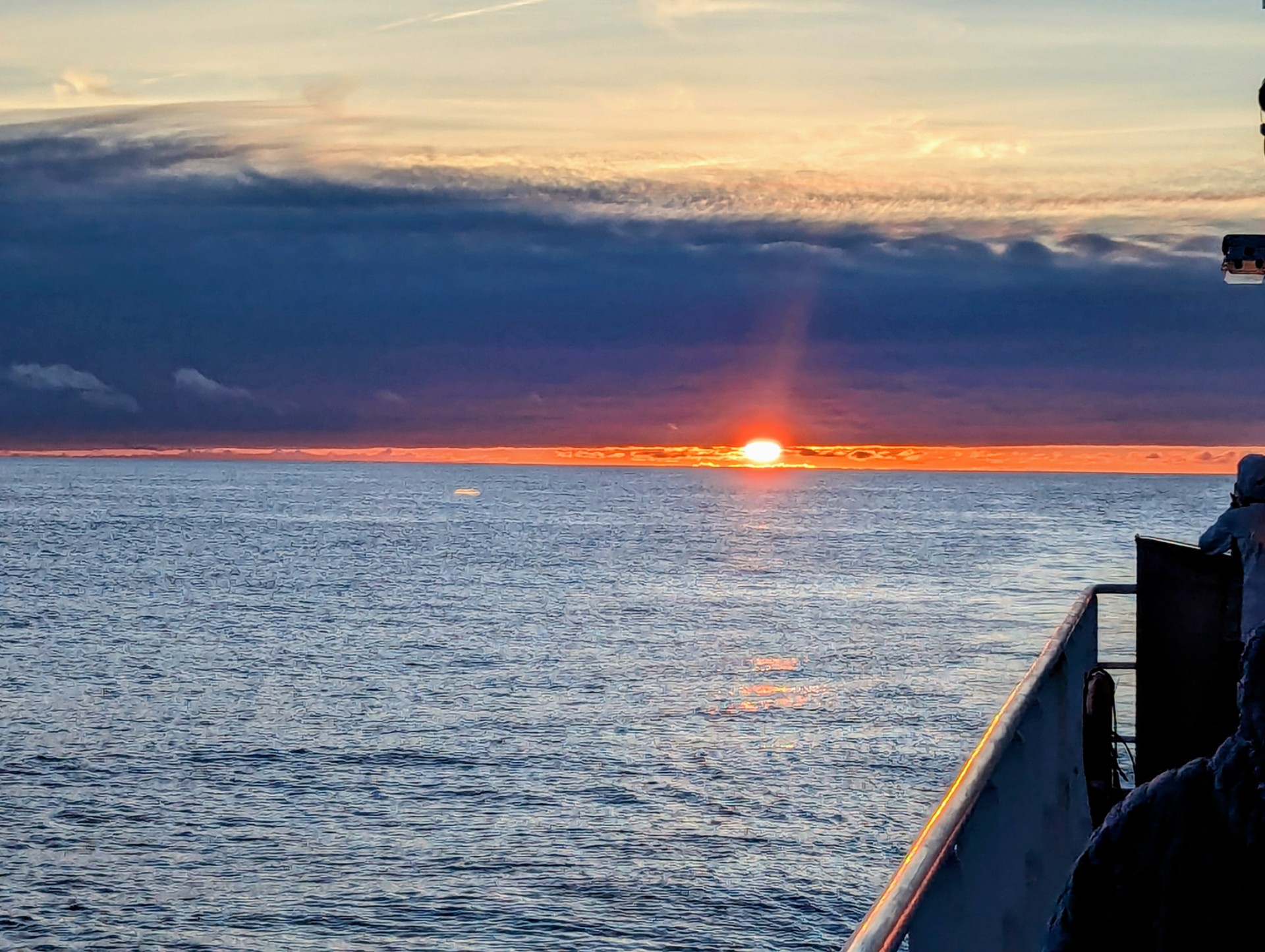
The nights were a whole different vibe. A bunch of us would bundle up and crowd onto the bow of the ship, freezing our toes off in the hopes of catching the Aurora Borealis. The northern lights decided to play hard to get on our final night and stayed hidden, but standing under a million stars in the middle of the dark ocean was a pretty incredible consolation prize.
And when we weren’t freezing on deck or squinting at plankton, we were packed into the ship’s theater room, losing our minds watching FIFA matches. Nothing brings people together quite like yelling at a soccer screen in the middle of the ocean, even if it is on Youtube with major buffering breaks.
Exceeding Every Expectation
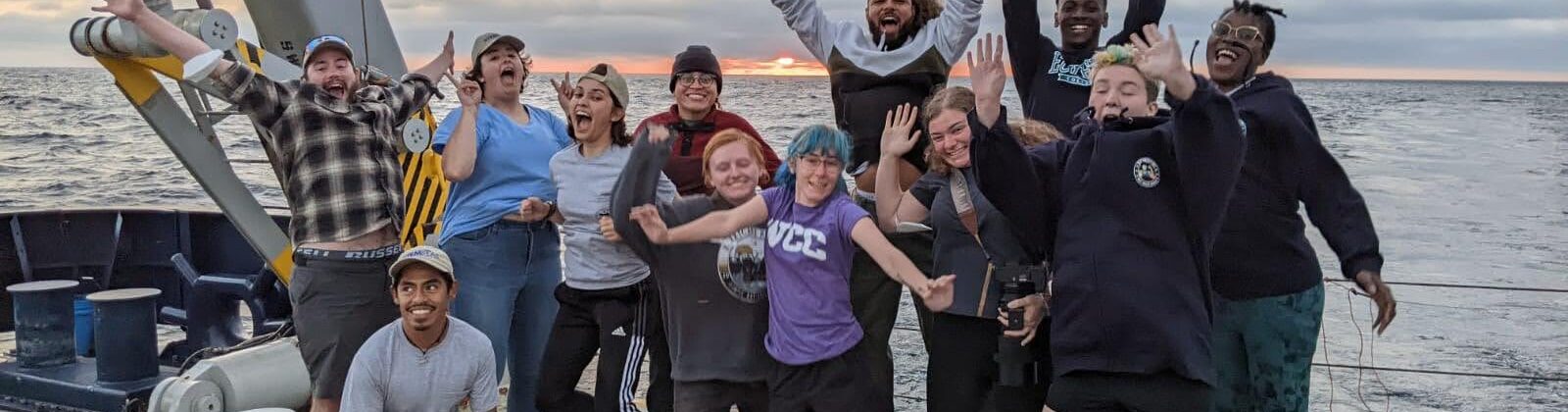
Living on a boat with a group of strangers sounds like the plot of a reality TV show, but it resulted in making genuine, long-lasting friendships. We all stepped onto this vessel with different expectations of what the week would look like, but this experience completely shattered and exceeded them.
None of this would have been possible without our incredible mentors: Dana, Marina, Callan, and Cristina. Thank you all for doing such a phenomenal job guiding us, keeping us safe, and fueling our curiosity. You took a group of students from all over—including one very lost desert explorer—and turned us into a real crew.
I’m back in the desert. I have returned with a tan, a weirdly intense appreciation for rocks, a newfound respect for microscopic sea bugs, and a group of friends I’ll never forget. Thanks, STEM SEAS, for showing an Arizona guy how the other 71% of the planet lives!