 by
by 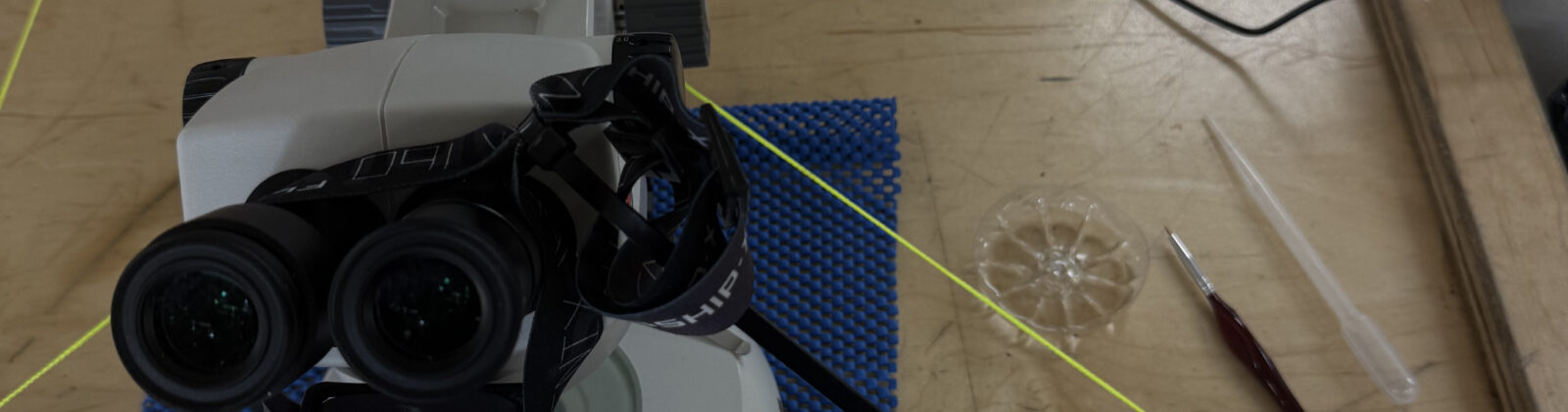
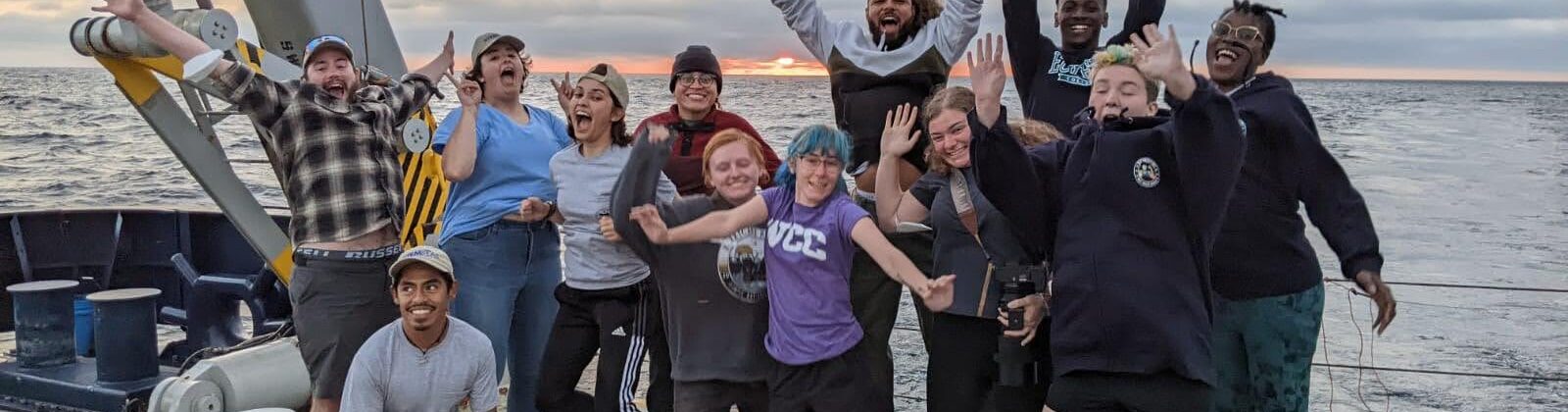
The fourth day of our R/V Atlantis transit was filled with insightful science and conversations. To start our day, we began with a lecture on basic oceanography in the morning. As someone coming from a background that barely has anything to do with ocean science, I was a little worried on how much knowledge I would need before coming onto the ship. However, since none is required, these lectures are a great way to gain a foundation on the big body of water we are currently sailing on.
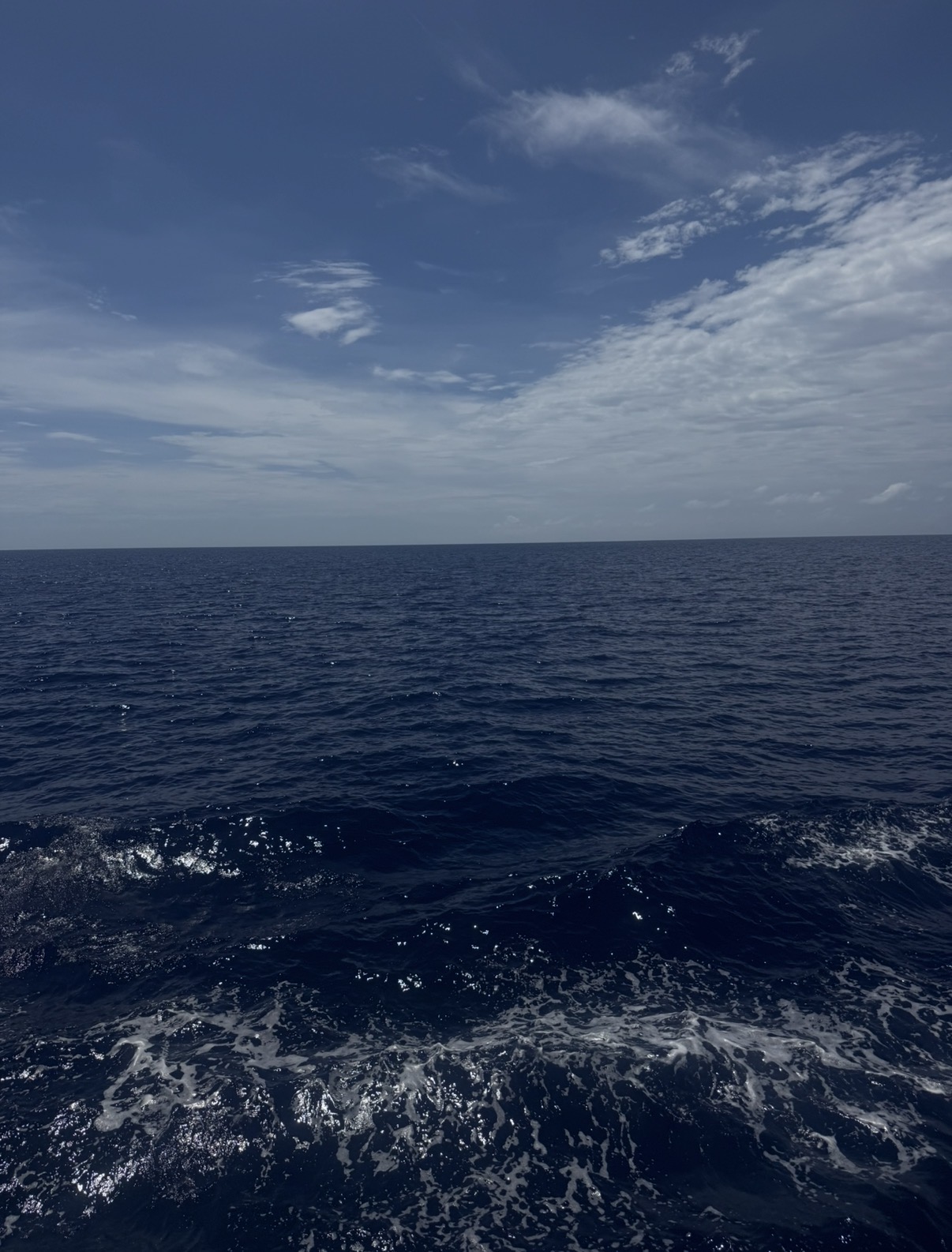
After our morning lecture, another student and I decided to go outside and enjoy the view and weather. Today the sun was out and blaring, the ocean was calm, there was very little wind, and it was quite humid and hot. This felt great after some rough and gloomy seas the past couple of days. We were even able to see Haiti and Cuba in the distance from each side of the ship as we got closer to Panama.
While we were outside, we met one of the wipers, who is a crew member that helps out in the engine department, and asked him about his position and day-to-day duties. He told us about his journey to a wiper, which did not follow a traditional maritime academic pathway. This allowed me and the other students to understand the different jobs and paths available for us after graduating. It was very insightful, especially as someone who is still unsure about what path I want to take after college.
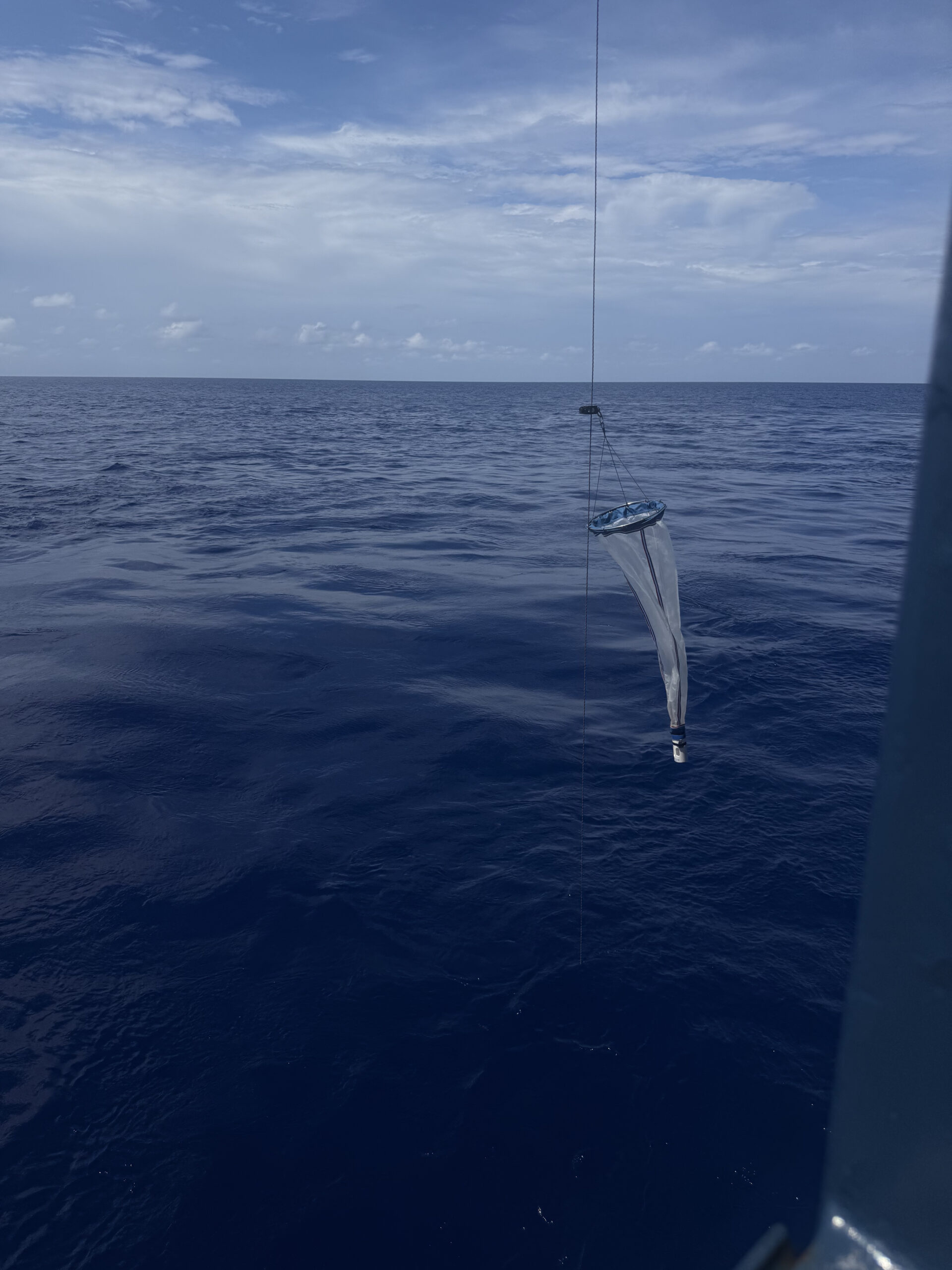
A little later in the afternoon, we conducted our first science task, which was a net tow. A net tow is used to catch marine organisms from the ocean into a little bottle. After lowering the net tow, we waited for it to hit a low enough depth, before pulling it back up and rinsing it with salt water to make sure it was all clean, only containing our sample.
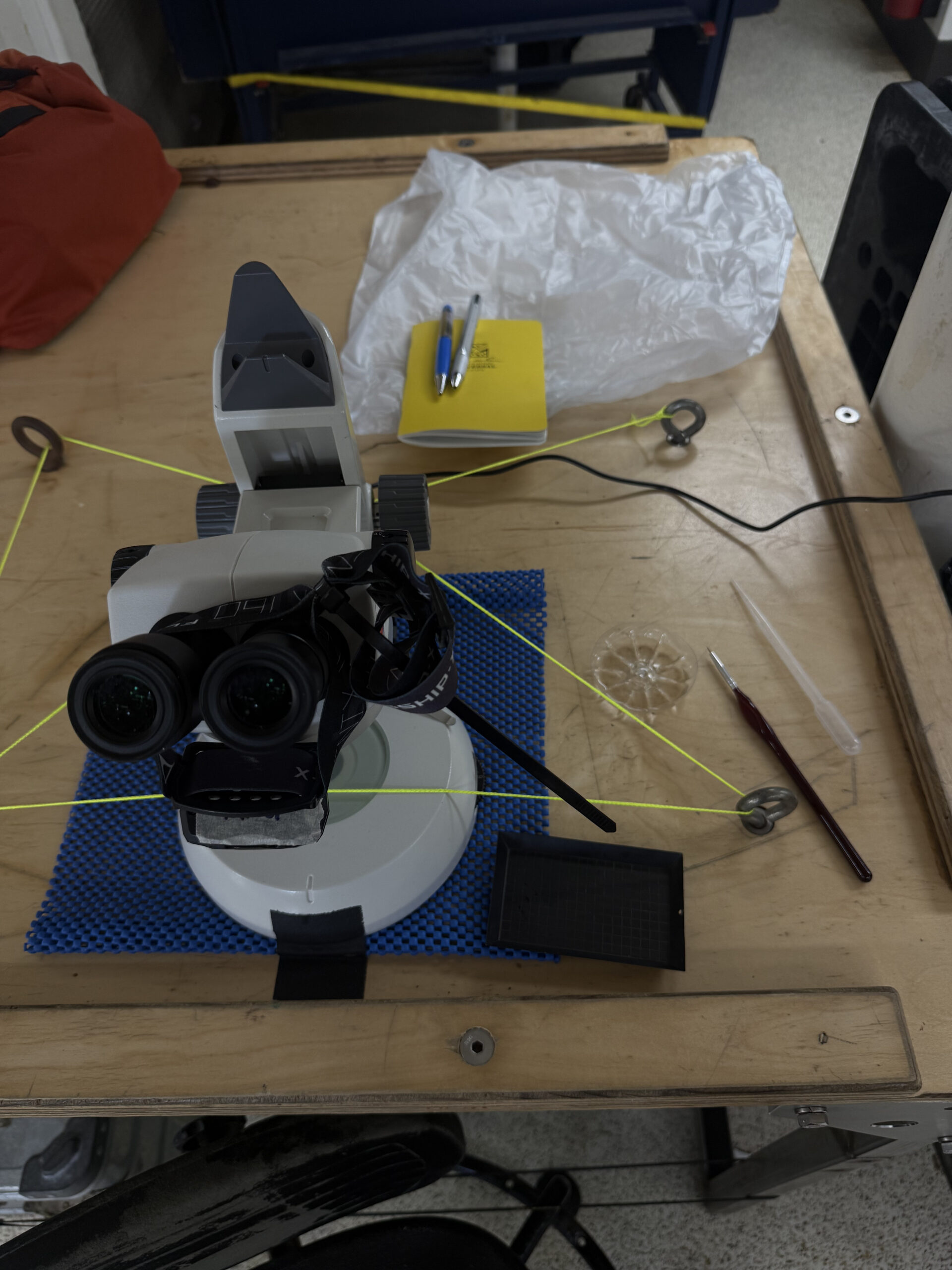
Then as the net tow was brought inside, some other students prepared the sample, while I prepared my station in order to work on my independent project. As my project focuses on picking small single-celled organisms, called foraminifera, and understanding how they can tell us the history about the ocean, such as past and present ocean circulation, I needed a microscope, the end of a water bottle to place my water sample, a brush to pick up the foraminifera, and a tray to place them. The rest of my day then consisted of looking through the water samples and picking out what I needed. I have done this type of research back at my college, so it has been really cool to be able to bring my skills into a lab in the middle of the ocean and see what my future could look like!